Getting Started in Allumeria
Survive the first sunset, then open the underground.
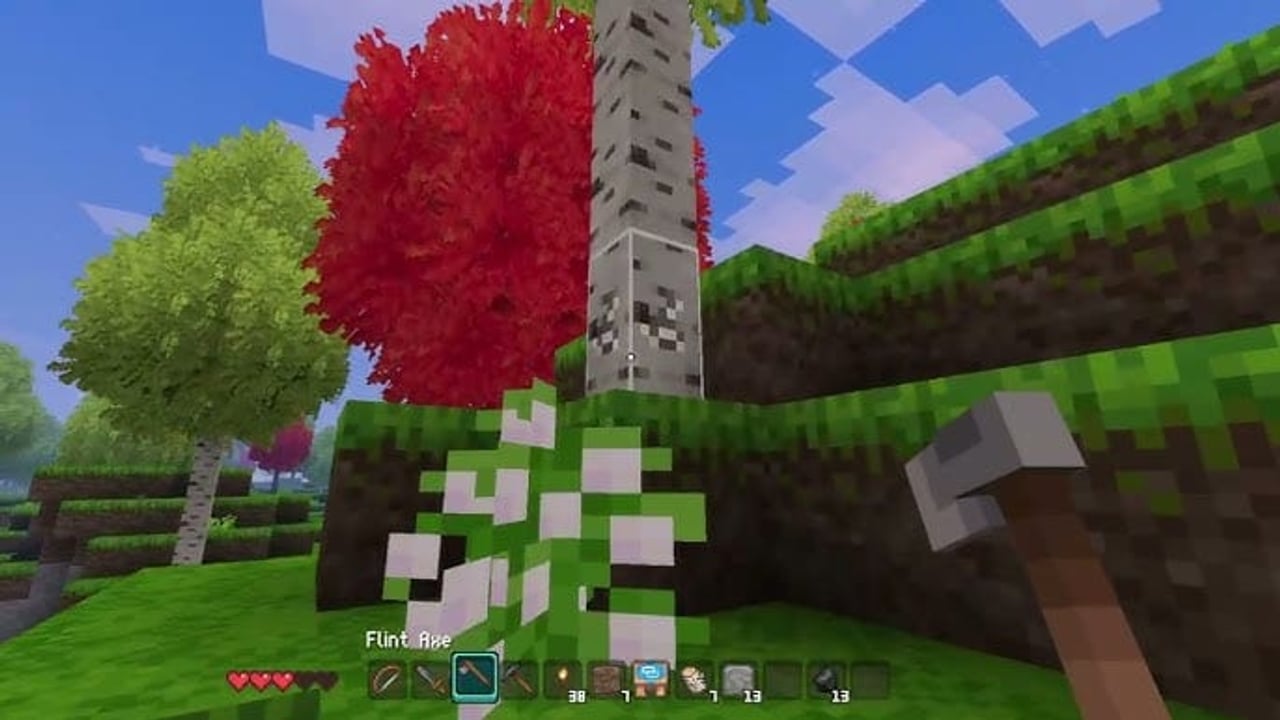
Allumeria drops you into a seeded voxel world with empty pockets and a ticking sun. The first hour is not about bosses. It is about flint, wood, light, and a floor that night mobs cannot spawn on. This guide is written for the Steam Early Access 0.15 loop. Characters keep inventory and stats when they hop worlds, so a messy first map does not waste your Flint Pickaxe.
Create a character and a world
From the menu, create a character. The default name is Ruby. As of the late demo and 0.15, you pick a name and a player skin. Built-in skins include Amber, Clay, Jasper, and Ruby. You can drop custom skin files into /res/textures/skins/ later; do not stall here. Create a world, set a seed if you want a friend to share terrain, and load in at roughly x:0, y:0 with twenty health (five hearts).
Look around before you punch the nearest tree. Note hills, lakes, dark-grey flint rocks, black coal boulders, and any giant tree trunk that might be a Forest Dungeon. Those dungeons are a later chapter; walking in naked is how first nights end.
Flint, logs, and the Workbench
Dark-grey surface rocks are Flint. Left-click to pick them up. Find a tree, aim at the trunk base, and hold left-click until it falls. You receive Logs plus tree seeds that match the species (oak, birch, maple, pine depending on the biome). Open inventory with E. The right-hand panel crafts from what you are holding. Turn logs into Planks, then craft a Workbench.
Put the Workbench on your hotbar (bottom inventory row), close with E or Escape, and right-click to place it. Right-click the placed bench for the full tool list. With five Flint and five Planks you can make starting tools. Craft a Flint Pickaxe first so you can mine stone and coal. Add a Flint Sword for night and a Flint Axe so the next tree is not a chore. Full binding notes live in controls. Recipe tables continue in the crafting guide.
Shelter, coal, and spawn rules
Sunset brings Zombies, Skeletons, and Wizards. You need light and a box. Large black rocks on the surface are coal; mine them with the pickaxe. Combine Coal and Planks into Torches. Surface torches suppress night spawns around your camp. They do not protect cave interiors.
Build with Planks or dig into a hill and hang a Door from the Workbench. The important trick: monsters spawn on natural blocks, not on manufactured ones. Replace the dirt floor with Planks. You can keep interiors moody because RGB light is cosmetic for spawns; the floor material is what matters. The building guide explains the hold-R shape menu, painted lamps, and room comfort used later for sleep and NPCs.
If you take chip damage, remember the default cap is twenty HP. Heart Beets found in caves raise the maximum toward ten hearts (forty HP). Do not farm beets before you have a pickaxe and torches.
First cave and copper
Once the hut exists, find a cave mouth or dig a staircase. Copper is the common early ore in forest stone. Craft a Furnace from eight Stone and two Coal. Place it like a Workbench. Furnaces do not consume extra fuel when you smelt; the coal is only in the recipe. Smelt Copper Ore into Copper Ingots and rebuild your pickaxe, sword, and a piece of Copper Armour. That upgrade is the real gate before dungeons. Skipping it is how Forest Fuzzies flatten new players.
Watch stamina once you own movement trinkets. Gecko Gloves climb walls and the Paraglider/Glider spends stamina in the air. Neither is required on hour one. Returning Potions are common in crates if you get lost; drink one instead of digging a frantic tunnel to the surface.
What to do on day two
Day two is exploration, not a boss rush. Chart two Forest Dungeon trunks (worlds usually spawn two after the 0.13 rework). You need a Forest Key, better than flint gear, and preferably a copper or iron weapon. Follow the Forest Dungeon walkthrough rather than cheesing bricks. The Forest Pickaxe in the central chest opens Undergrowth Rock, which dynamite can no longer brute-force.
When you have Skull Fragments, craft the Ominous Deer Skull and fight the Forest Spirit using the boss guide. After forest, the biomes guide covers snow cobalt, permafrost, and desert palladium. Rank weapons on the weapons tier list once you have a few options besides a flint blade.
House the Builder before you expect a bed: 0.15 beds are sold, not crafted. Use NPC housing if a merchant will not sell. Invite friends only after spare tools exist; see multiplayer. If the client never opens, troubleshooting first. If the Steam page still has you hesitating, the review and Early Access notes spell out what 0.15 actually contains: on the order of five hundred unique items, three major biomes, three dungeons, and three bosses, with the loop still growing.
Keep the progression checklist open in a second window. Allumeria rewards curiosity, but the metal ladder (flint, copper, iron, silver, gold, then biome sets like forest, cobalt, palladium) is easy to scramble if you chase a funny Fart Gun before you can mine the next ore.
Frequently Asked Questions
Quick answers to the most common questions.
What should I craft first in Allumeria?
Planks, a Workbench, then a Flint Pickaxe. A sword and axe are next. Mine coal for torches before sunset. Details are in this guide and the crafting guide.
Why do monsters still spawn in my house?
They spawn on natural blocks. Replace dirt or grass floors with Planks or other crafted blocks. Torches help on the surface but do not override a dirt floor. See the building guide.
Do I need a Forest Key on the first day?
No. Survive the night, reach copper, then read the Forest Dungeon walkthrough. Keys drop from enemies or chests; spending them undergeared wastes the run.
Does my character reset when I make a new world?
No. Characters keep inventory and stats across worlds. That is why a throwaway first map is still useful practice.